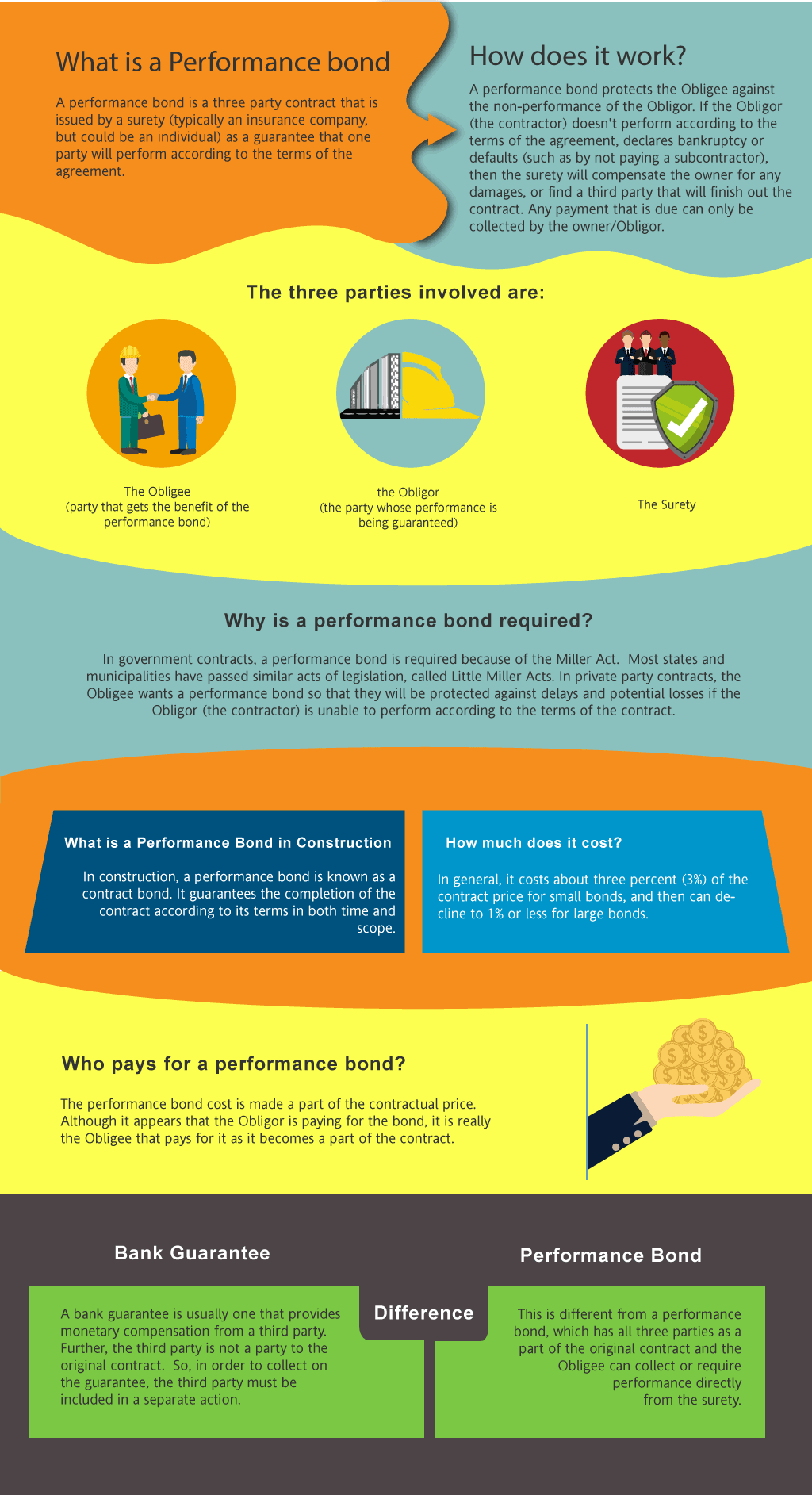
Navigating the landscape of auto dealership regulations can feel like traversing a labyrinth. Each state has its own set of rules, requirements, and nuances that must be understood and complied with in order to operate legally and successfully. This article will serve as your comprehensive guide to understanding and navigating these complex regulations, focusing on essential aspects such as licensing, bonding requirements, compliance inspections, and more.
Understanding State Regulations for Auto Dealerships
State regulations for auto dealerships are crucial for protecting consumers, ensuring fair practices, and maintaining the integrity of the automotive industry. But what exactly do these regulations cover?
What Constitutes State Regulations?
State regulations encompass a wide array of legal stipulations that govern how auto dealerships operate. This includes everything from licensing requirements to advertising standards and consumer protection laws. In most states, these regulations are enforced by agencies responsible for motor vehicle administration.
Why Do Regulations Matter?
Regulations matter because they create a framework within which dealerships must operate. They help ensure that consumers are treated fairly and provide a level playing field for dealers. Moreover, adhering to these regulations is essential for avoiding legal complications down the road.
The Importance of a Motor Vehicle Dealer Bond
One of the key aspects of state regulation is the requirement for a motor vehicle dealer bond. But why is this bond so critical?
What is a Motor Vehicle Dealer Bond?
A motor vehicle dealer bond is essentially a guarantee that protects consumers and ensures that dealerships comply with all relevant laws and regulations. If a dealership fails to uphold its obligations—such as delivering clear titles or providing accurate information—consumers can claim against the bond.
How Do You Obtain a Motor Vehicle Dealer Bond?
Obtaining this bond typically involves applying through an insurance company or bonding agency. The process may vary from state to state but generally requires:
A Completed Application - Include personal details about your business. Credit Check - Your credit score may affect your eligibility. Payment of Premium - You’ll need to pay an annual premium based on the bond amount required by your state.What Happens if You Don’t Have One?
Operating without a motor vehicle dealer bond can lead to severe penalties including hefty fines or even suspension of your dealership license.
Licensing Requirements: What You Need to Know
Every state has specific licensing requirements that must be met before you can legally open an auto dealership.
Types of Licenses Required
- Sales License: Required for selling vehicles. Dealer License: Necessary for operating as an official dealer. Business License: General license applicable in many states.
Steps to Acquire Your License
Research state-specific requirements. Complete any necessary training courses. Submit your application along with fees. Undergo background checks if required.Navigating Local Zoning Laws
Local zoning laws can significantly affect where you can establish your auto performance bonds dealership.
Understanding Zoning Classifications
Zoning classifications dictate what types of businesses are allowed in certain areas. Knowing whether you're in a commercial zone is crucial before making any investments.
How to Check Zoning Requirements?
Visit your local planning department’s website. Consult with local zoning officers. Review city ordinances related to business operations.Compliance Inspections: What To Expect
Inspections are often part of the regulatory landscape; they ensure that all dealerships adhere to safety standards and operational guidelines.
Types of Inspections You May Encounter
- Safety Inspections Environmental Compliance Checks Financial Audits
Preparing for an Inspection
Preparation can make all the difference:
Conduct internal audits regularly. Keep detailed records. Ensure compliance with all local laws and requirements.Advertising Regulations: How They Affect Your Dealership
Advertising is another area heavily regulated by state laws; understanding these guidelines is vital for successful marketing campaigns.
Truth-in-Advertising Laws
Most states have truth-in-advertising laws that prohibit deceptive practices when advertising vehicles.
Best Practices for Compliance in Advertising
Be transparent about pricing. Avoid misleading claims regarding vehicle conditions or history. Disclose all fees associated with sales upfront.Consumer Protection Laws: Understanding Your Obligations
Consumer protection laws exist to safeguard buyers against fraud and unfair practices; knowing these laws helps you maintain good relationships with customers.
What Are Consumer Protections?
These laws cover various aspects like warranty disclosures, financing terms, and return policies.
How Can You Ensure Compliance?
Regularly update customer contracts according to current laws. Train staff on consumer rights issues. Implement customer-friendly policies regarding returns and warranties.Handling Complaints Effectively: A Key Strategy for Success
Every dealership will face complaints at some point; how you handle them can define your reputation in the community.
Establishing Complaint Protocols
Developing clear protocols helps ensure complaints are dealt with swiftly:
Designate staff responsible for customer service issues. Create feedback forms accessible online or at your physical location. Maintain open lines of communication with customers at every stage of their buying journey.Maintaining Accurate Records: Best Practices for Dealerships
Keeping thorough records isn’t just smart business practice; it’s also often required by law!
What Records Should You Keep?
Essential records include:
- Sales transactions Customer communications Compliance documents
Tips For Effective Record-Keeping
| Type | Recommendation | |---------------------|---------------------------------------------------| | Sales Records | Use digital systems for easy retrieval | | Customer Data | Protect privacy while ensuring transparency | | Compliance Documents | Regularly review and update as regulations change |
Training Employees on Regulatory Compliance
Your employees are your front line when it comes to compliance; ensuring they understand their responsibilities is crucial.
Key Areas Where Training is Needed
Licensing Requirements Consumer Rights Safety ProtocolsImplementing Training Programs
Regular training sessions should cover:
- Updates on new regulations Role-playing scenarios dealing with customer interactions Procedures for handling complaints effectively
Understanding Taxes Related to Auto Dealerships
Taxes play an important role in running any business, including auto dealerships; ignorance isn’t bliss when it comes to tax liabilities!
Common Tax Types Relevant To Dealerships
1) Sales Tax 2) Property Tax 3) Business Income Tax
How To Stay Compliant With Taxation
Consulting with tax professionals who specialize in automotive industries can save you significant time—and money!
Financing Options Available For Dealerships
Understanding financing options available can give you leverage when negotiating deals or working with customers who require financing assistance.
Insurance Needs For Auto Dealers
Insurance isn’t just a good idea—it’s often legally mandated! Understanding what types you need will protect both your assets and customers’ interests effectively!
Staying Updated on Regulatory Changes
The world doesn’t stand still—and neither do regulatory frameworks! Staying updated necessitates regular engagement with industry associations or legal advisors specializing in automotive regulation compliance matters!
Networking With Other Dealers
Building relationships with other dealers not only fosters collaboration but also provides insights into best practices within regulatory compliance contexts across different jurisdictions!
The Role Of Automotive Associations & Organizations
Associations dedicated specifically towards automotive sectors often shed light upon emerging trends—providing invaluable resources geared toward aiding compliance efforts!
FAQs About Navigating State Regulations For Auto Dealerships
Here are some frequently asked questions regarding navigating complex state regulations:
Q1: What happens if I fail to comply with state regulations?
Failure may lead not only towards fines but potentially revocation/suspension upon repeated violations—so tread carefully!
Q2: Are there differences between states regarding dealer bonds?
Absolutely! Each jurisdiction sets its own bonding amounts/requirements based upon local market conditions—the key lies within diligent research beforehand!
Q3: How often should I conduct internal audits?
At minimum annually—but more frequently allows quicker identification/reaction towards Learn more potential issues arising throughout operations!
Q4: What resources exist if I’m confused about compliance?
Consultation services offered via industry associations/lawyers specializing within automotive fields provide clarity amongst complexities inherent within regulatory frameworks existing today!
Q5: Can I represent multiple brands under one license?
Typically no—most jurisdictions require separate licenses per brand being represented due largely towards differing manufacturer agreements/dealership arrangements prevalent today across markets nationwide!
Q6: How does technology help me stay compliant?
Utilizing software designed specifically tailored towards automotive dealers streamlines recordkeeping processes while ensuring adherence towards applicable statutes enforced currently within respective jurisdictions!
Conclusion
In summary, navigating complex state regulations surrounding auto dealerships demands attention-to-detail coupled alongside proactive strategies aimed at fostering compliance throughout operations! From securing necessary licensing/bonds down through understanding tax implications—each facet plays critical roles ultimately defining success levels achieved long-term thus fortifying trust built amongst consumers whilst simultaneously elevating reputational standings held firmly within communities served diligently over time! By implementing best practices outlined herein—auto dealers can position themselves favorably amidst ever-evolving landscapes characterized by continual shifts occurring regularly across regulatory frameworks prevailing today! So take charge now; equip yourself adequately—with knowledge leading pathways carved toward prosperous futures ahead!